DR Congo, Rwanda vow to uphold Trump-backed peace deal
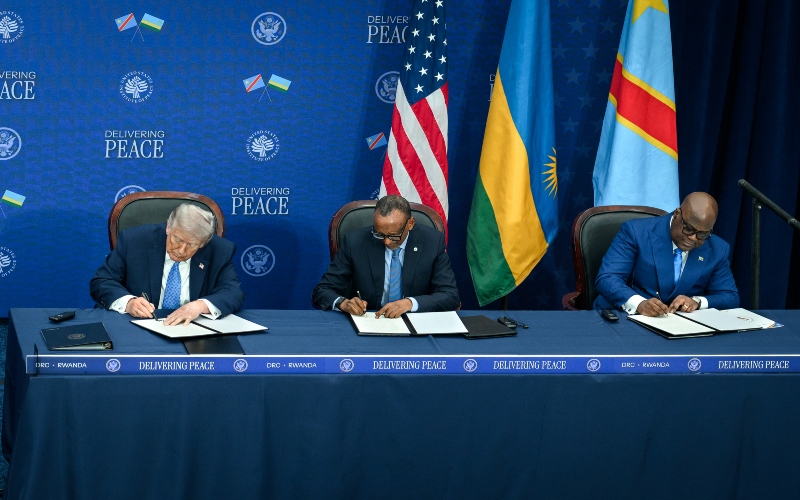
DR Congo President Felix Tshisekedi and his counterpart from Rwanda, Paul Kagame, signed a deal to end the conflict in eastern Congo.
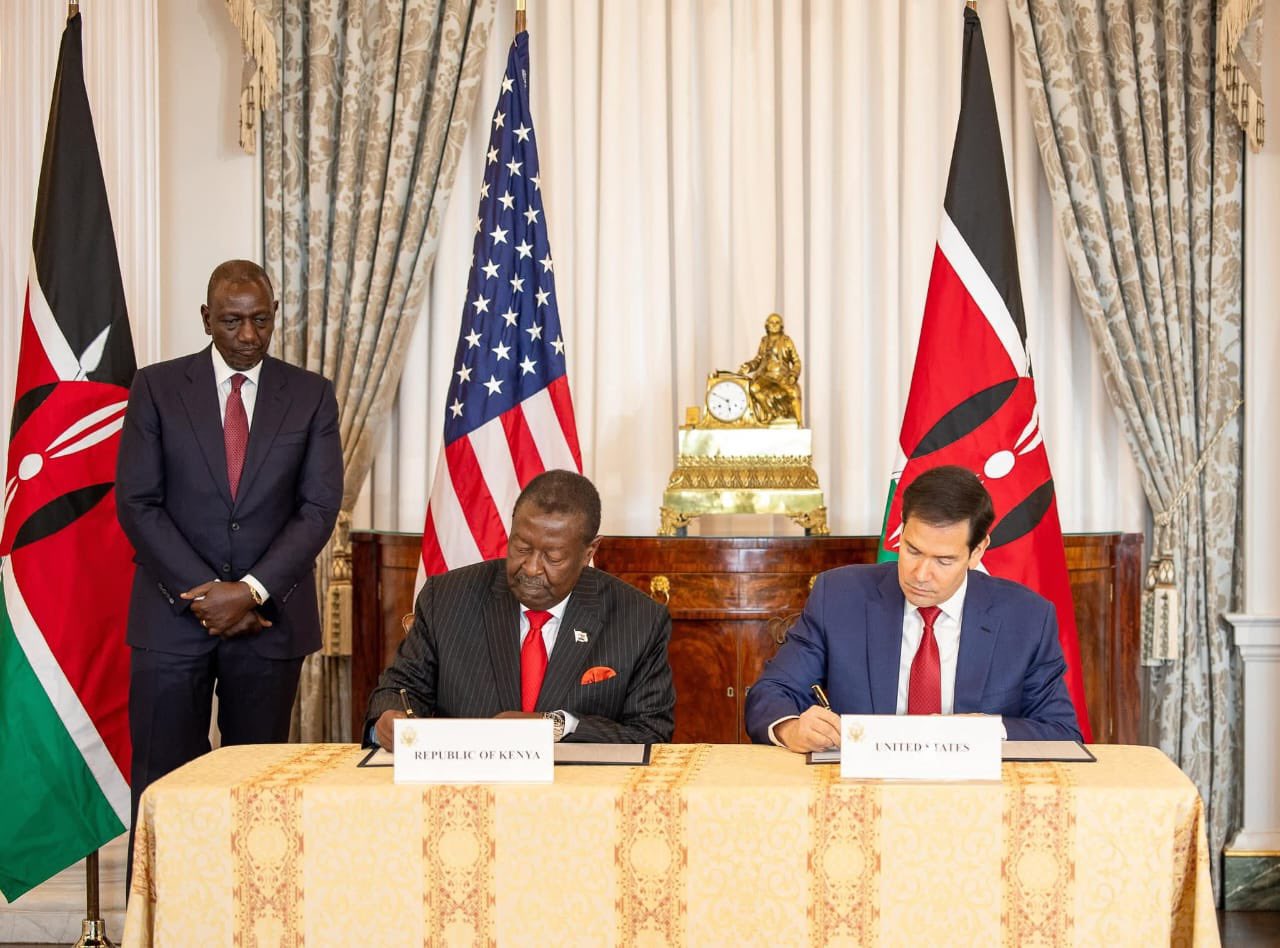
US President Donald Trump hosted the leaders of Rwanda and the Democratic Republic of Congo in Washington on Thursday to mark a peace agreement aimed at ending the conflict in eastern Congo.
Rwandan President Paul Kagame and Congo's President Felix Tshisekedi reaffirmed an economic integration pact and a US-brokered peace deal reached earlier this year.
More To Read
- Washington Accord offers real chance for long-term peace, says President Kagame
- African leaders hail historic peace agreement between Rwanda and DRC
- US reviews Tanzania ties after UN reports 700 post-election killings and widespread violence
- Trump faces rising backlash over remarks targeting Somali immigrants
- Kagame, Tshisekedi in Washington as US brokers 'decisive' Congo peace deal
- OPINION: Before pointing at Rwanda, Belgium must finally confront its own African history
"We're settling a war that's been going on for decades," Trump said.
"They spent a lot of time killing each other, and now they're going to spend a lot of time hugging, holding hands, and taking advantage of the United States of America economically, as every other country does," he added, without providing further clarification.
Fighting continues in eastern Congo
Eastern Congo has endured years of conflict between government forces and more than 100 different armed groups, most notably the M23 rebels, which the UN and other international observers say is backed by Rwanda. Rwanda denies backing M23.
The conflict intensified this year as M23 captured the major cities of Goma and Bukavu, deepening an already severe humanitarian crisis.
M23 was not part of the Congo-Rwanda deal and instead previously took part in separate, Qatar-mediated talks with Congo.
What does DR Congo gain with the peace deal?
Even as Kagame and Tshisekedi signed the agreement on Thursday, clashes between rebels and the Congolese army were reported across South Kivu province.
The two leaders' pact builds on months of peace efforts by the US, the African Union, and Qatar, and finalises an agreement first signed in June.
Tshisekedi and Kagame, however, did not exchange a handshake and hardly interacted during the signing ceremony.
"I do believe this day is the beginning of a new path, a demanding path, yes. Indeed, quite difficult," Tshisekedi said. "But this is a path where peace will not just be a wish, an aspiration, but a turning point."
Kagame added: "There will be ups and downs on the road ahead, there is no doubt about it."
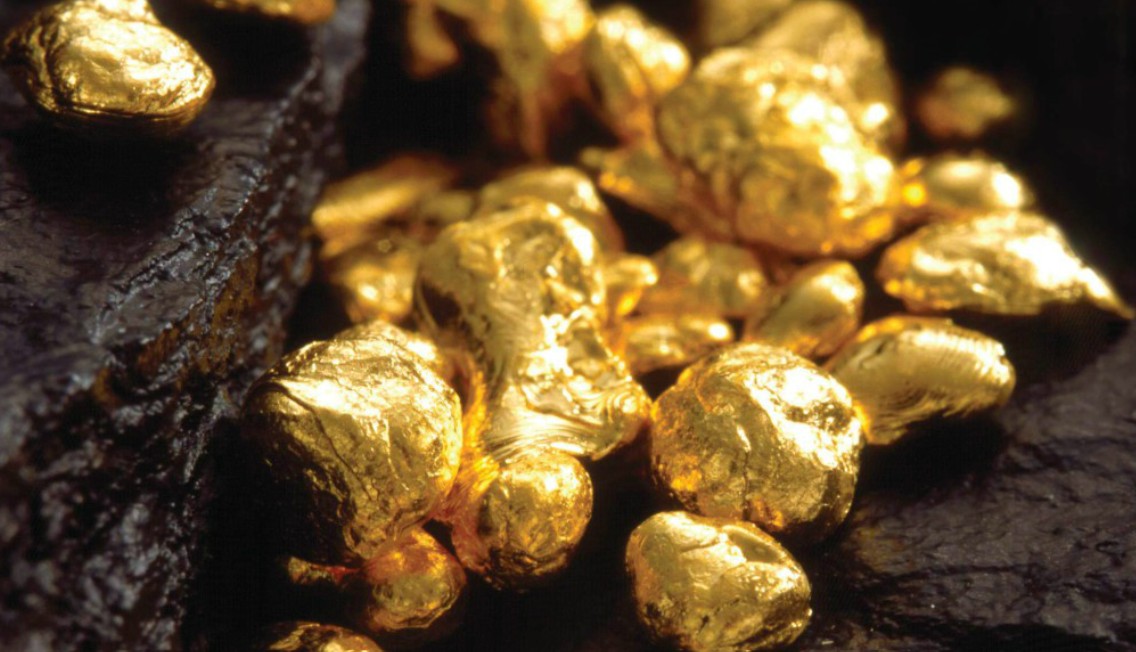
Opening the region's critical mineral reserves
The two leaders also signed a deal on critical minerals, a sector Washington is keen to secure as it seeks to counter China's global dominance.
"We're going to take out some of the rare earth," Trump said. "And everybody's going to make a lot of money."
The deal will improve the Regional Economic Integration Framework that they previously agreed to.
Officials say this framework sets rules for economic partnerships between the countries.
The US seeks alternatives to China for rare earths used in various high-tech equipment.
China accounts for nearly 70 per cent of the world's rare earth mining and controls roughly 90 per cent of global rare earths processing.
DRC: Mines, the M23 militia and the true cost of coltan
Maurice Carney, the co-founder and Executive Director of the Friends of the Congo in Washington, D.C., told DW he believed the main reason for the deal was the parties' commercial interests.
"The economic interests of local elites in Kigali and Kinshasa and global elites in Washington and the US, they converge, and that's those are the interests that are being met, not those of the Congolese people at all," he said.
"Questions of their inclusion, that is, local communities, civil society... question of accountability and justice... those elements are not there, and those are fundamental elements that are critical for any kind of lasting peace," Carney said.
Top Stories Today